
 Shed Dog
 Blood Tracking Dog
 Gun/Bird Dog
 Dog Obedience
 Dog Training Videos and DVDs
 Apparel, Gear & More
 Dog Health Supplements
 About
About Reviews
 Free Videos
 Journal
 Podcast
What Makes a Hunting Dog Different? Instinct, Drive, and Real-World Training


What Makes a Hunting Dog Different?
There’s a big difference between a good dog and a good hunting dog.
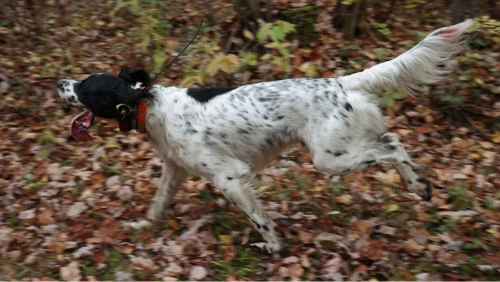
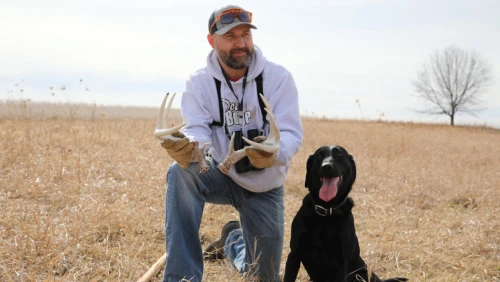
Plenty of dogs can sit, stay, and fetch a tennis ball. All good hunting dogs require the same thing as good family dogs: obedience, solid foundational training, temperament, etc... This is why we preach how important your foundational training is. However, after the foundation is laid is when the differences begin to shine through. What makes a hunting dog different from a family pet or recreational companion? It’s about instinct, mindset, training, and partnership — all working together in the field to accomplish a task that is ever changing. Let’s break down what really sets a hunting dog apart. A staple of every great hunting dog is instinct. You can shape instinct. You can refine it. This is where genetics comes in. Some things cannot be taught, only bred. Over generations, breeders amplified certain instincts, making these traits more consistent and reliable in the field.This is very important for those to keep in mind when looking for your next hunting dog. Like throws like. Want to know what the puppy is going to be like? Just look at the parents! Any dog can be a nice family dog, but not every dog has what it takes genetically to make for the hunting dog of your dreams. A lot of dogs have energy. Hunting dogs must have directed drive. Drive without control creates chaos. What makes the best hunting dog is balance: A shed dog that finds antlers but won’t return them doesn't work. The difference is discipline layered onto desire. Real hunts don’t look like your backyard. A hunting dog must work through all these distractions and variables. This is something we stress in all of our hunting dog training series and video training, located within our DogBone Training Library. This is where real-world hunting separates from training. A hunting dog needs to know his/her job, and have the ability to perform that job no matter what happens around him/her and no matter the location and elements. It doesn’t just perform commands. It adapts. That ability to stay mentally engaged in unpredictable environments is one of the biggest differences between a well behaved pet and a true hunting partner. Hunting isn’t a 10-minute drill. It’s hours of searching, tracking, waiting, moving, working. A hunting dog has: Mental fatigue is real. Many dogs can perform well for 15 minutes. Fewer can stay sharp for 3 hours. Field-ready dogs are built through repetition, exposure, and conditioning — not just skill training. Here’s something that often gets overlooked, but is maybe one of the most important aspects: Hunting dogs aren’t independent contractors. They’re teammates. A true hunting dog: This relationship is built through consistent training and shared experience. Time in the field builds communication that goes beyond commands. Your connection between you and your dog is one of the most important factors of an effective hunting team. You need to trust your dog, and your dog needs to trust you. You are a team. A hunting dog has a job. That purpose changes how it carries itself. You can see it in posture, intensity, and focus. When the vest comes out, when the leash changes, when the terrain shifts — something turns on. It’s not chaos. It’s clarity. That clarity comes from experience, repetition, and exposure. The dog understands what’s expected and thrives in that structure. Purpose builds confidence. And confidence builds performance. What ultimately makes a hunting dog different isn’t just genetics or drive. It’s training that prepares them for the real thing. You don’t just teach behaviors. The field exposes weaknesses quickly. The dogs that succeed are the ones trained beyond the backyard, and ultimately, put the training to practice on real hunts.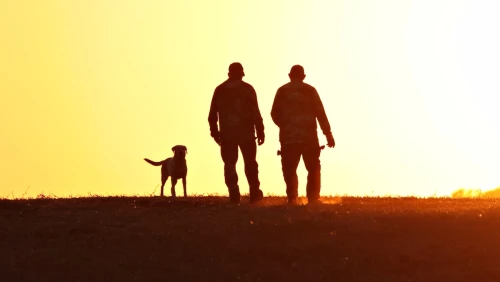
1. Instinct You Can’t Manufacture
But you can’t create it out of thin air.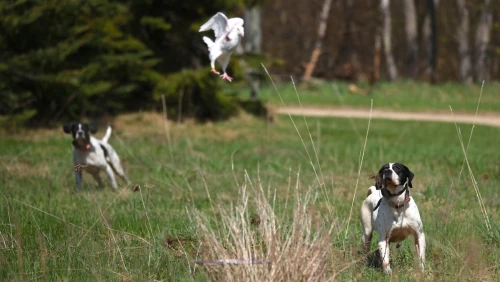
2. Controlled Drive
Control without drive creates a dog that lacks go.
A retriever that breaks before the shot isn’t functional or safe.
A tracking dog that quits when scent gets tough isn’t reliable.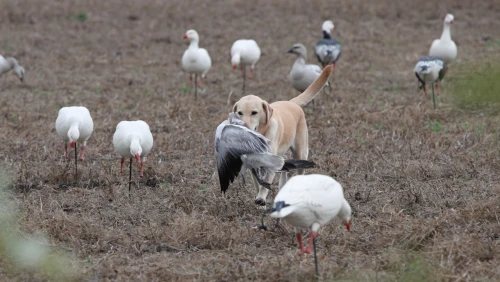
3. Problem-Solving Under Pressure
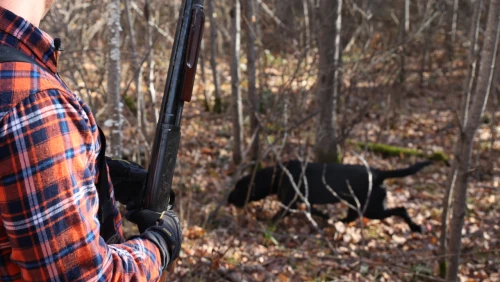
4. Endurance — Physical and Mental
5. Partnership With the Handler
6. Purpose
7. Training That Mirrors Reality
You teach application.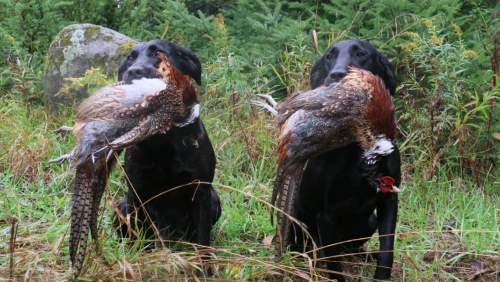
Final Thoughts
Not every dog needs to be a hunting dog. But the ones that are built for it — and trained for it — are something special.
They combine instinct with discipline.
Drive with control.
Independence with teamwork.
And when everything comes together in the field, you’re not just watching a dog work.
You’re watching purpose in motion.

From Theory to Field Work
How do you achieve training a hunting dog? Our DogBone Training Library walks you through how we raise reliable hunting dogs, including training for shed hunting dogs, duck dogs, bird dogs, deer tracking dogs, and much more!

%COMMENTS%