
 Shed Dog
 Blood Tracking Dog
 Gun/Bird Dog
 Dog Obedience
 Dog Training Videos and DVDs
 Apparel, Gear & More
 Dog Health Supplements
 About
About Reviews
 Free Videos
 Journal
 Podcast
All Great Hunting Dogs Start w/ a Solid Foundation


The Common Thread Between All Great Hunting Dogs: A Solid Foundation
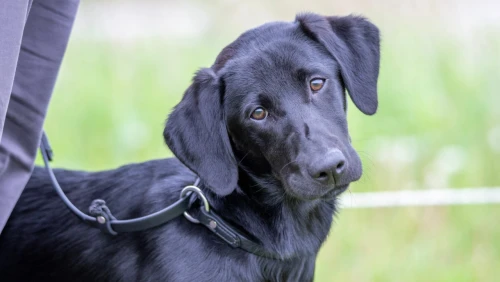
When people talk about hunting dogs, they often focus on the differences. Bird dogs point. Retrievers bring birds back to hand. Tracking dogs follow scent trails. Shed dogs search for antlers. Each discipline looks different on the surface, and each requires specialized training.
However, if you spend enough time around good dogs in the field, you start to notice something they all have in common... a well trained and engrained foundation. Whether you're training a shed dog, bird dog, or tracking dog, the same core principles apply.
What is the foundation of a dog's training? A number of simple, reliable skills that everything else is built on.
A dog trained for searching cover for sheds may look very differently from a duck dog sitting patiently until it's time to retrieve a duck from the marsh, but long before the end goal, these core abilities need to exist in all types of hunting dogs.
A solid hunting dog foundation has to have mastered:
These aren't discipline-specific skills. They're universal working-dog skills. Without them, advanced training
becomes frustrating, and in many instances, impossible.
It’s tempting to jump straight to the exciting part of training. Most people want their dog flushing pheasants or retrieving ducks as soon as possible. Probably one of the most commone questions we receive is "How long does training my dog for (name the type of hunting) take?" Everyone wants to rush into the fun stuff, but when you don't have a solid foundaiton the fun stuff is impossible. Skipping or rushing your foundational training will ultimately make the fun stuff farther away and not near as successful. For example:
These problems rarely come from the advanced training itself. They almost always come from a weak foundation.
When the basics are strong, everything else becomes easier.
A solid training foundation doesn’t mean a long list of commands. In fact, it usually means the opposite.
The best hunting dogs often operate on a handful of simple expectations:
These core behaviors create structure. That structure allows the dog to use its natural instincts without chaos.
It also creates trust. The dog understands what is expected, and the handler can confidently guide the dog through
more challenging situations. Looking For Video Training to train your own dog the foundation he/she will need to eventually be your hunting partner? Subscripe to the DogBone Training Library today!
Instinct is still incredibly important. Some dogs naturally want to retrieve. Others lock onto scent trails.
Some are driven searchers that thrive when given space to work.
But instinct alone doesn’t create a reliable hunting dog.
Instinct is the engine. Foundation is the steering wheel.
When the two work together, you get a dog that can perform consistently even when conditions are difficult.
Another overlooked benefit of foundational training is confidence. Dogs that understand the rules of the game are
far more comfortable exploring new terrain, encountering new scents, and working through challenges.
Instead of becoming overwhelmed, they fall back on familiar structure. That confidence shows up in the field as:
In other words, the dog becomes a true hunting partner rather than just a dog running around in the woods.
One of the most common mistakes new handlers make is constantly chasing new drills. They add complexity too
quickly—new scent games, new commands, new environments—without taking the time to make the basic skills truly
reliable.
Great hunting dogs aren’t built through complexity. They’re built through repetition and clarity. Simple skills
practiced consistently will outperform complicated training every time.
If you're working toward a reliable hunting dog—whether it's a shed dog, bird dog, or tracking dog—the best
investment you can make is in the foundation.
Focus on:
Once those elements are solid, the specialized skills become much easier to teach. And more importantly, they hold
up when it matters most—out in the field.The Job May Change, But the Foundation Doesn't
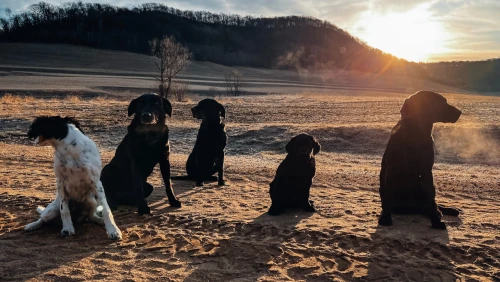
Why Foundations Matter More Than Advanced Skills
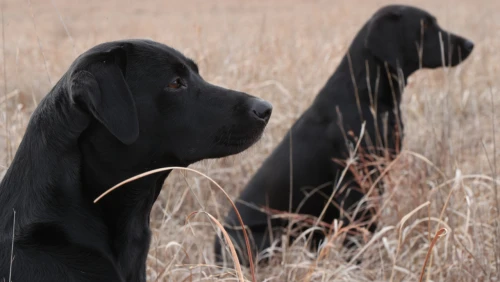
What a Strong Foundation Actually Looks Like
The Role of Instinct

Foundations Build Confidence
The Training Mistake Many Handlers Make
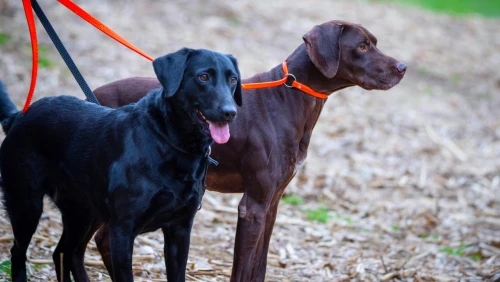
Build the Foundation First
Final Thoughts
Hunting dogs may perform different jobs, but the best ones all share the same core structure: a solid foundation.
It’s what allows instinct to shine while retaining control and teamwork. It’s what creates trust between dog and handler. And it’s what turns training into a real world hunting team.
Before worrying about advanced techniques, make sure the basics are strong. No matter what kind of hunting dog you’re training, everything starts there.
For video training from foundation to hunting dog, subscribe to our DogBone Training Library

%COMMENTS%